

MARCH FOURTH
PARENT TOOLKIT
A practical guide for parents navigating school safety, mental health, and advocacy
Lockdown drills have become a regular part of school life, but that doesn’t make them easy. As parents and caregivers, we carry the responsibility of helping kids feel safe while also managing our own emotions.
This toolkit offers guidance, scripts, and coping strategies so you can support your child, and yourself, through safety drills and conversations about school violence.
In partnership with Compass Health Center

Before You Begin
Every school approaches safety differently. Policies and drills vary by district and even by building, so use this toolkit as a guide and adapt it to your child’s environment.

Participation is your choice — families can often opt out of drills.
Focus on what you can control — ask questions, prepare your child, and advocate for clarity.
Your role matters most — comfort, reassurance, and honest conversations at home make the biggest difference.
You’re not alone — many parents are navigating these same challenges, and these tools are here to help.

Supporting Parents
It’s normal to feel anxious, sad, or even angry about school safety. Here are ways to manage those feelings:
Normalize your emotions — they are valid.
Reframe the risk — school shootings are less common than they feel.
Use coping strategies — deep breathing, grounding, or connecting with others.
Seek extra support when needed — reach out to a professional if anxiety becomes overwhelming.
Remember the bigger picture — these tools help now, while we work toward long-term solutions.
Talking to Kids About Lockdown Drills
Every child processes safety drills differently depending on age, personality, and experience. Adjust your approach to meet them where they are:
-
Keep it simple and calm. Use words like “safety game,” connect drills to fire drills, and give them clear steps like sitting quietly and listening to the teacher.
-
Be honest, but reassuring. Explain that lockdowns are practice, not a sign of danger.
Emphasize their role — listen, follow directions, stay quiet — and let them know it’s okay to feel nervous or bored.
-
At this age, kids already know about school violence. Use clear terms like “intruder” or “stranger” without adding scary details. Acknowledge mixed emotions, focus on preparation, and reflect after drills about what went well.
-
Treat teens as young adults. Be transparent about why drills matter and stress shared responsibility.
Acknowledge all emotions — fear, frustration, skepticism — while reinforcing that preparation saves lives. -
Emphasize independence, awareness, and responsibility. Connect drills to real-world safety skills, like paying attention to exits and making calm decisions under stress. Balance reality with empowerment.
When More Support
Is Needed
Some kids may need extra help if safety concerns start to interfere with daily life.

Watch for:
Intense anxiety or panic
Nightmares, sleep changes, or refusal to attend school
Physical symptoms like headaches or stomach aches
Hypervigilance or major behavior shifts
If these appear, partner with your school or seek support from a mental health professional.
Coping Skills for
Parents & Kids
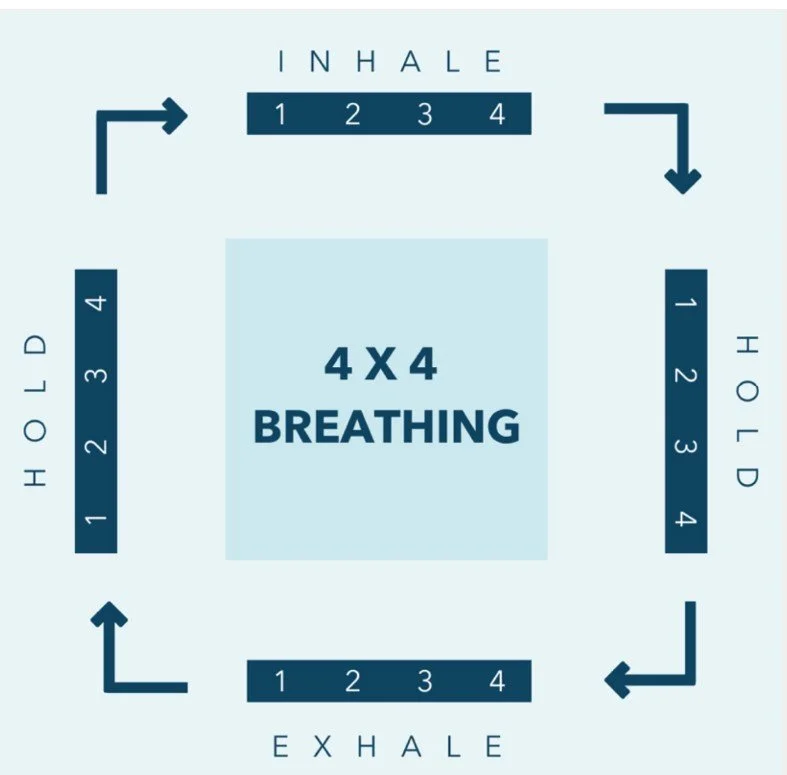
4x4 Breathing — inhale 4 counts, hold 4 counts, exhale 4 counts, hold 4 counts.
Managing emotions during stressful moments can make a big difference. Try:
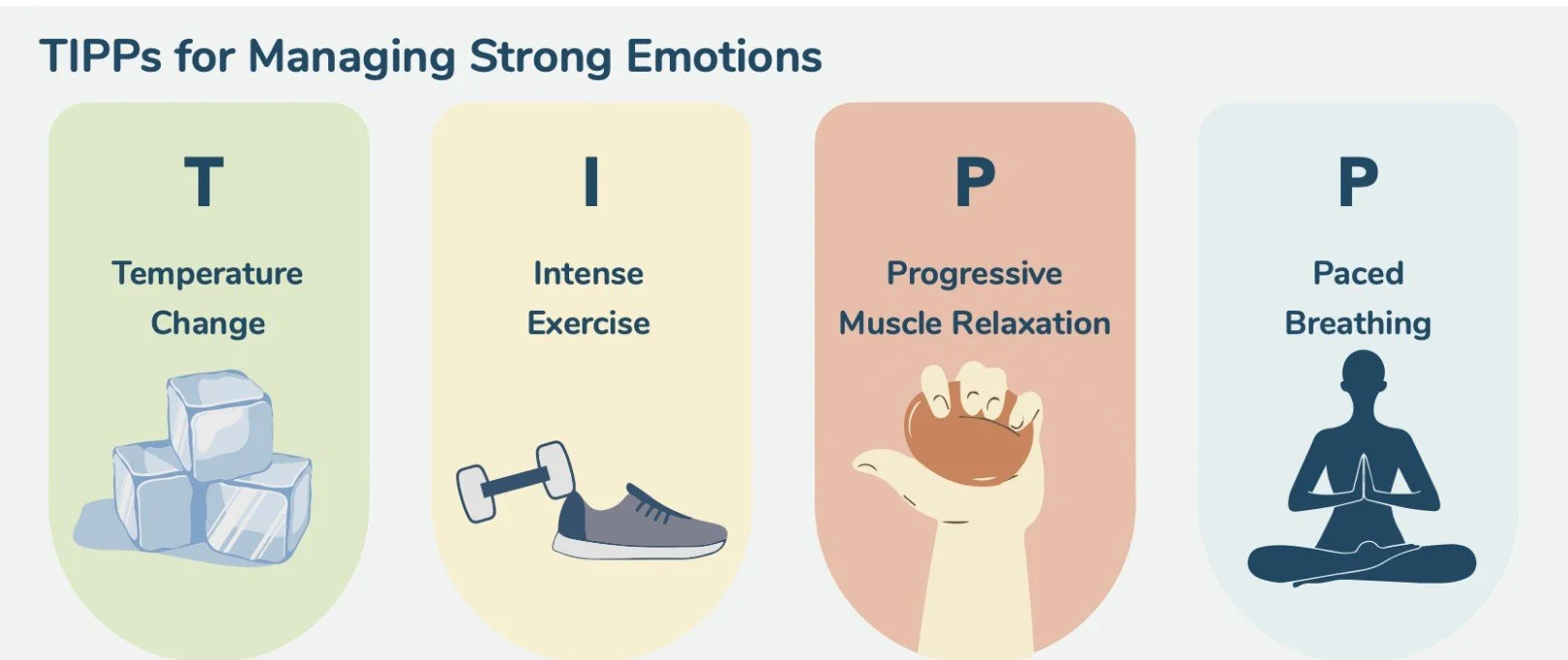
TIPP — quick grounding strategies to regulate body and mind.
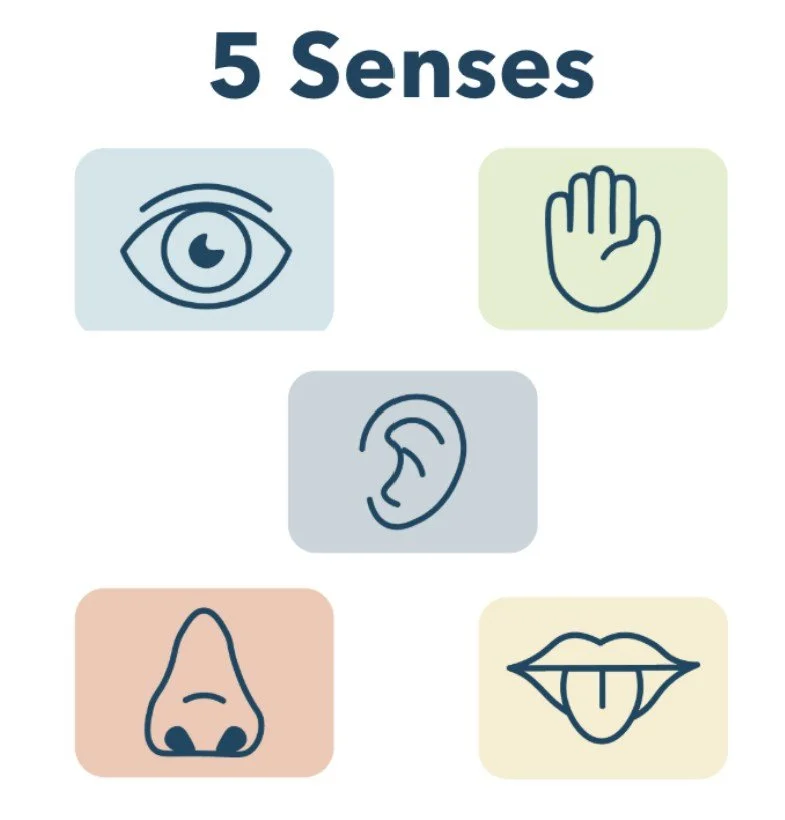
5 Senses — notice 5 things you see, 4 you touch, 3 you hear, 2 you smell, 1 you taste.
-
TIPP skills are grounding techniques to help you relax your mind and body when experiencing extreme emotions.
T: Temperature Change 🧊
I: Intense Exercise 🏃➡️
P: Progressive Muscle Exercise 💪
P: Paced Breathing ☁️By engaging in one or more of the activities represented by the TIPP acronym, you can change your body chemistry and regulate your heart rate and breath, to go from crisis mode to a more balanced state.

Having Conversations at School
It’s okay — and important — to ask questions about how your child’s school handles safety. Start with your teacher, principal, or superintendent. Ask:
How are students involved in drills?
What language is used to explain drills?
Is there a debrief afterward?
You can bring these up over email, at curriculum nights, or in one-on-one meetings. Remember: you’re not the only parent with these concerns.